Dot-Spray vs. Inkjet: Why Top Shoe Factories Are Switching to IBON’s “Full-Layout” Printing
The Bottleneck You Might Not See
In footwear production, marking accuracy is the hidden backbone of stitching quality. If the marking is off, everything downstream suffers: rework, material waste, and frustrated sewing operators.
For years, factories had only two choices: slow manual marking, or traditional dot-spray machines.
But here’s the problem: traditional dot-spray marking is essentially a robot drawing one line at a time.
And in 2026, that’s a bottleneck most competitive factories can no longer afford.
Traditional Dot-Spray: The "Single-Pen" Problem
The old way works like this: a nozzle moves slowly along every single marking path. One line, then the next line.
- More pieces = slower speed
- Complex patterns = much slower speed
- Large orders = production bottleneck
It’s precise, yes—but painfully sequential.
For a small workshop making very simple shoes, it still works. But for sports shoes, branded OEM production, or high-volume lines, dot-spray machines actually limit your daily output.
Think of it like drawing an entire book by hand, one sentence at a time.
How IBON Inkjet Changes the Game
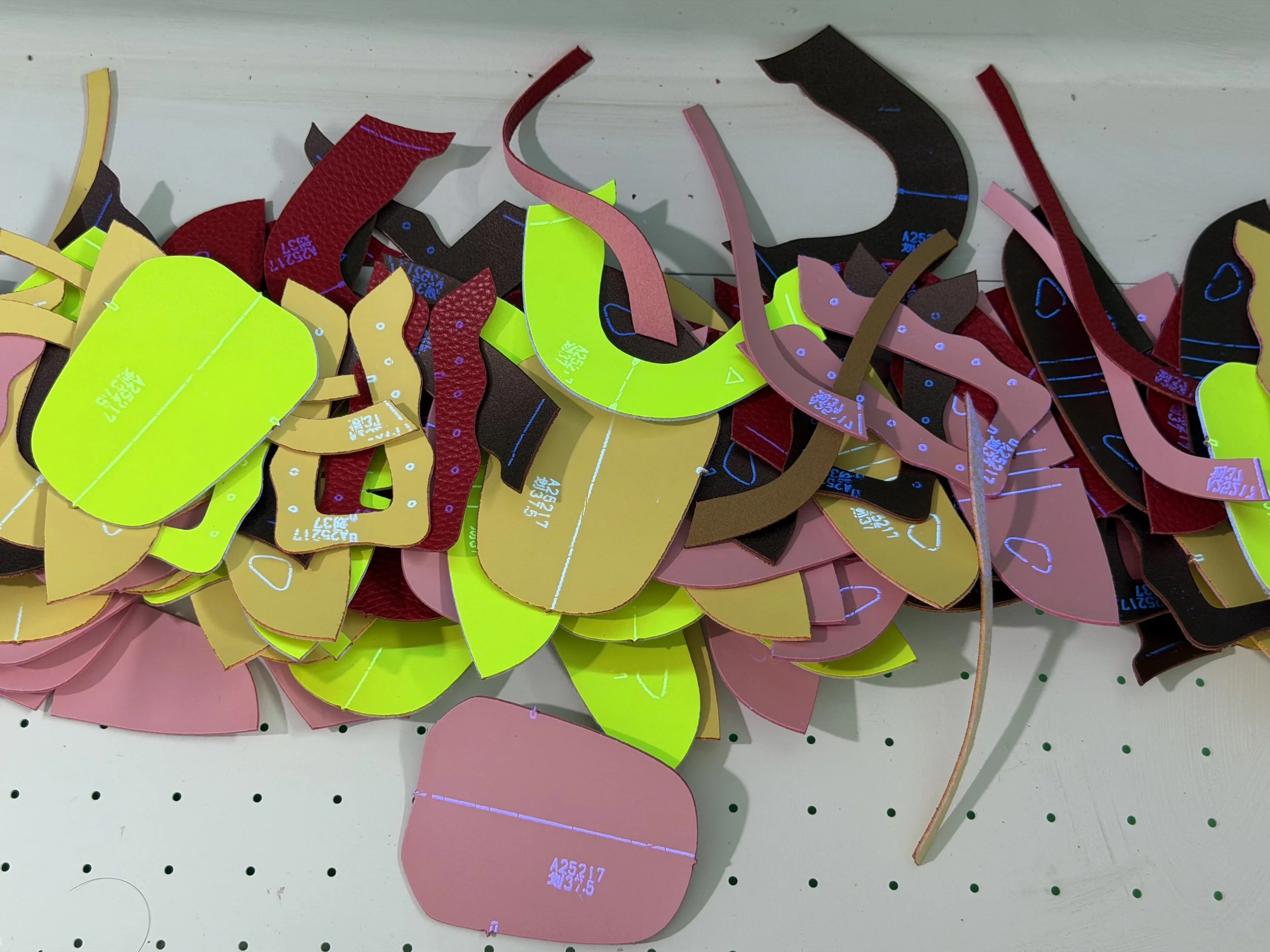
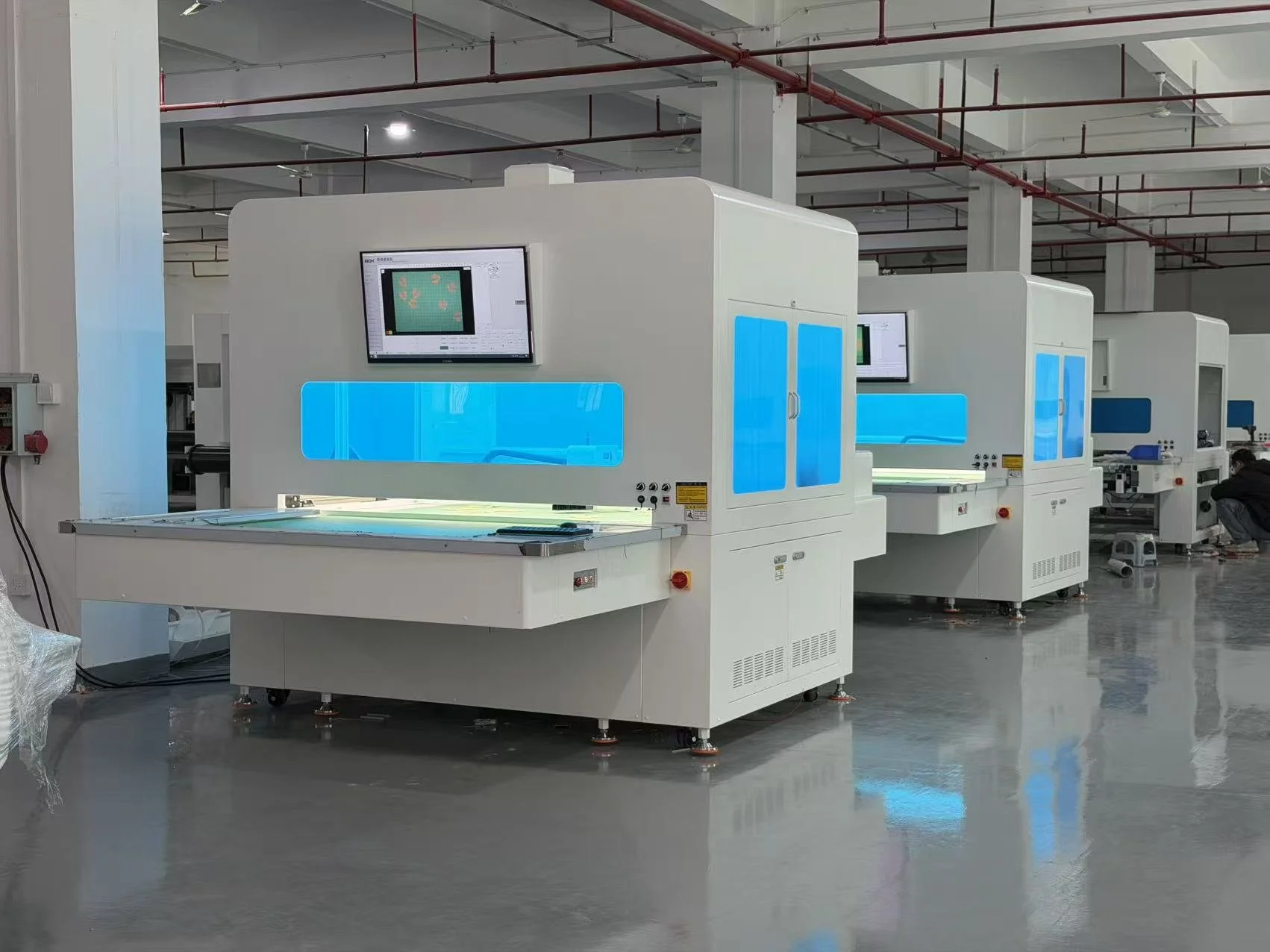
The IBON Shoe Upper Marking Machine uses industrial inkjet printing—completely different thinking.
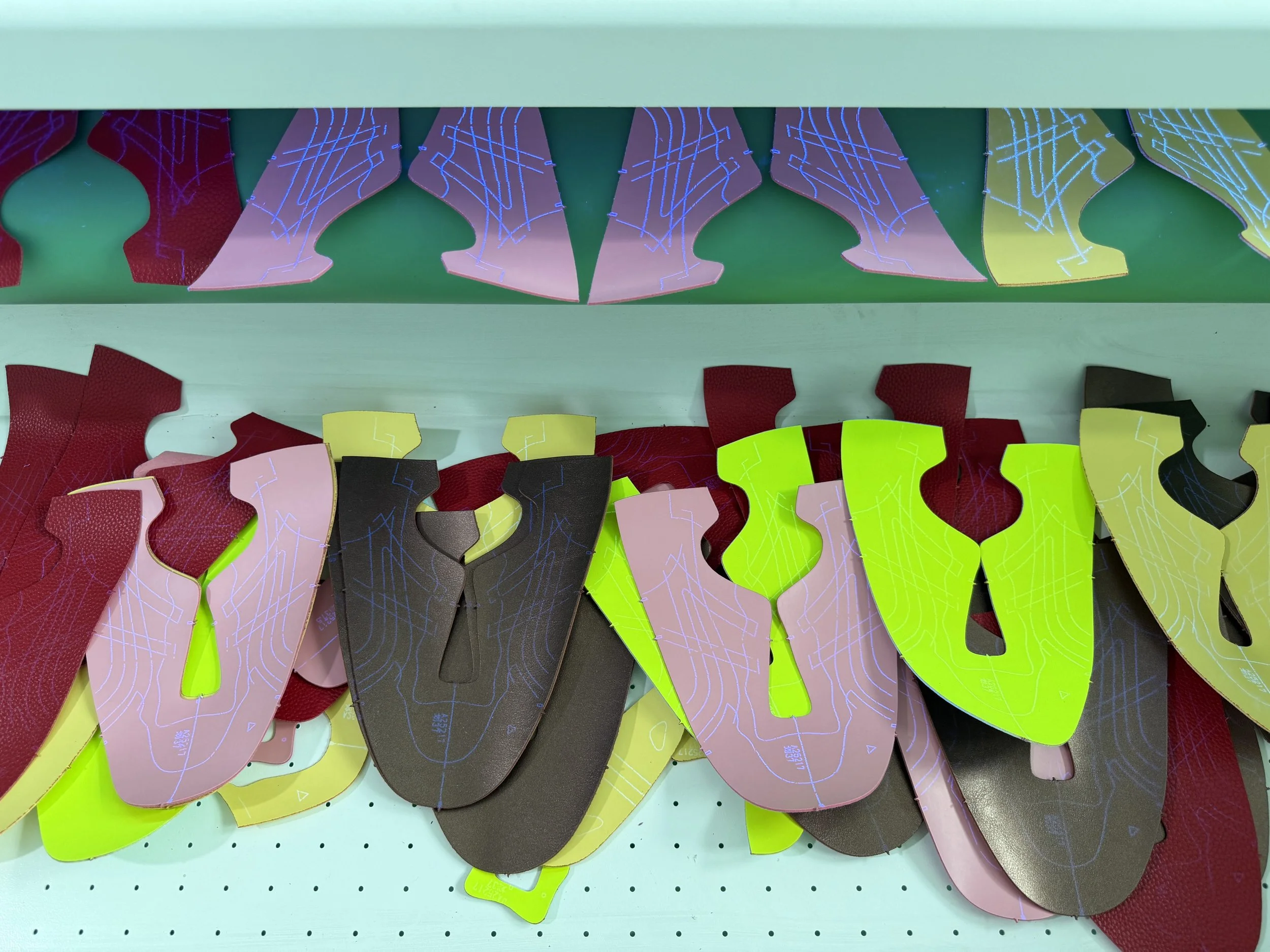
Instead of marking line by line, it prints the entire layout at once.
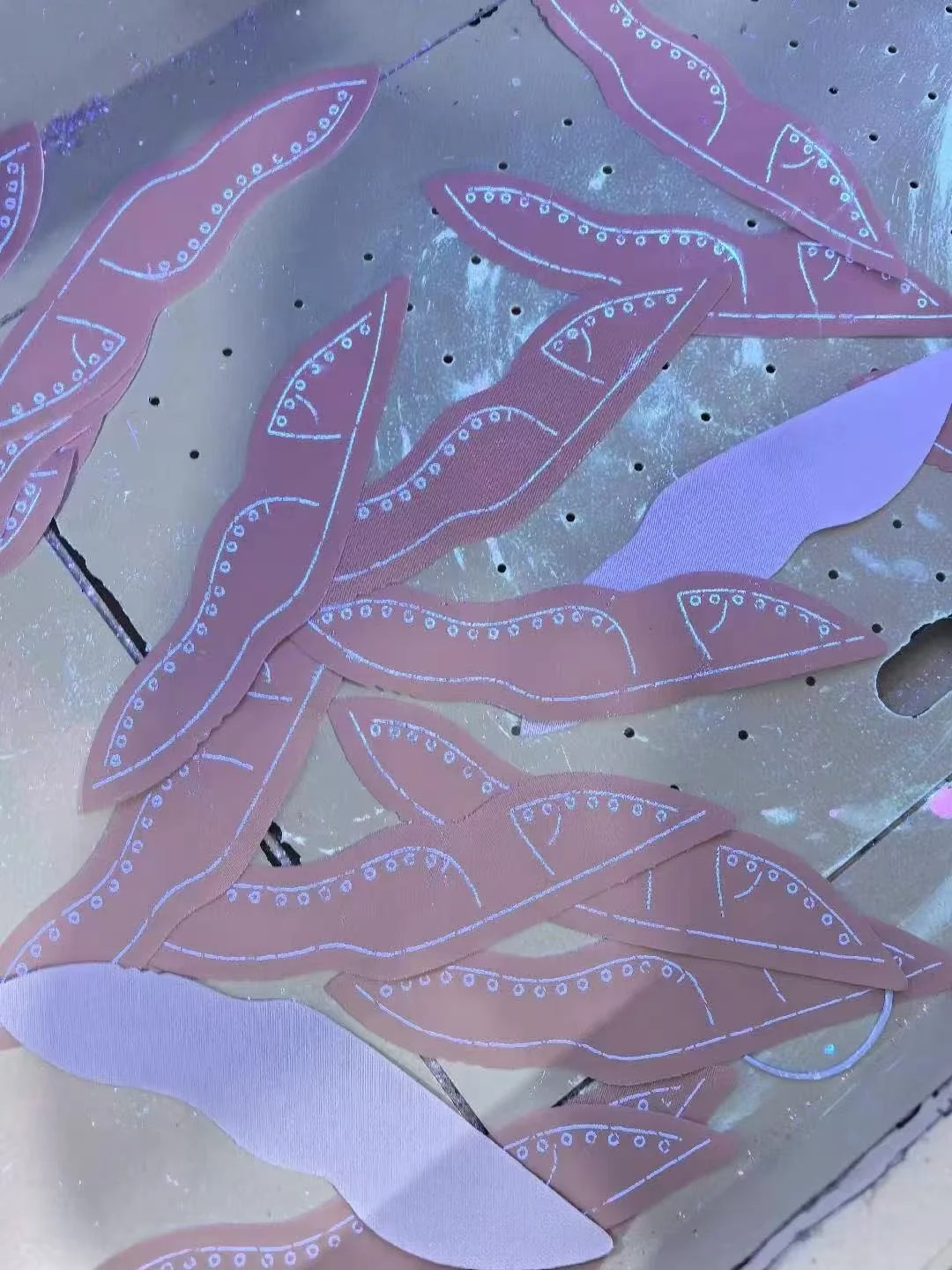
- Multiple upper pieces marked simultaneously
- Complex patterns take the same time as simple ones
- No waiting between cutting and stitching
It works like an industrial printer, not a drawing robot.
That’s why many factories now call it: full-layout intelligent printing.
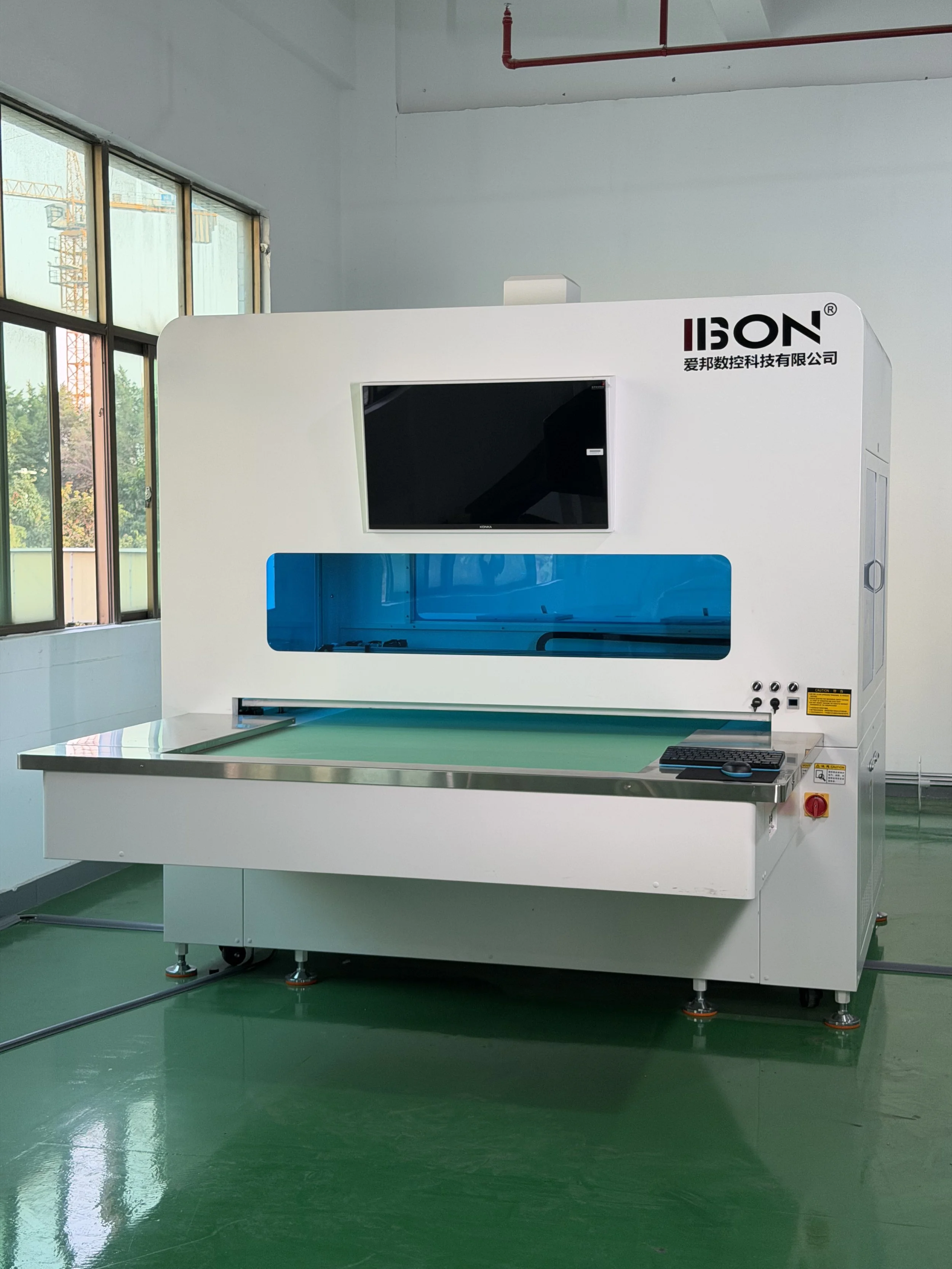
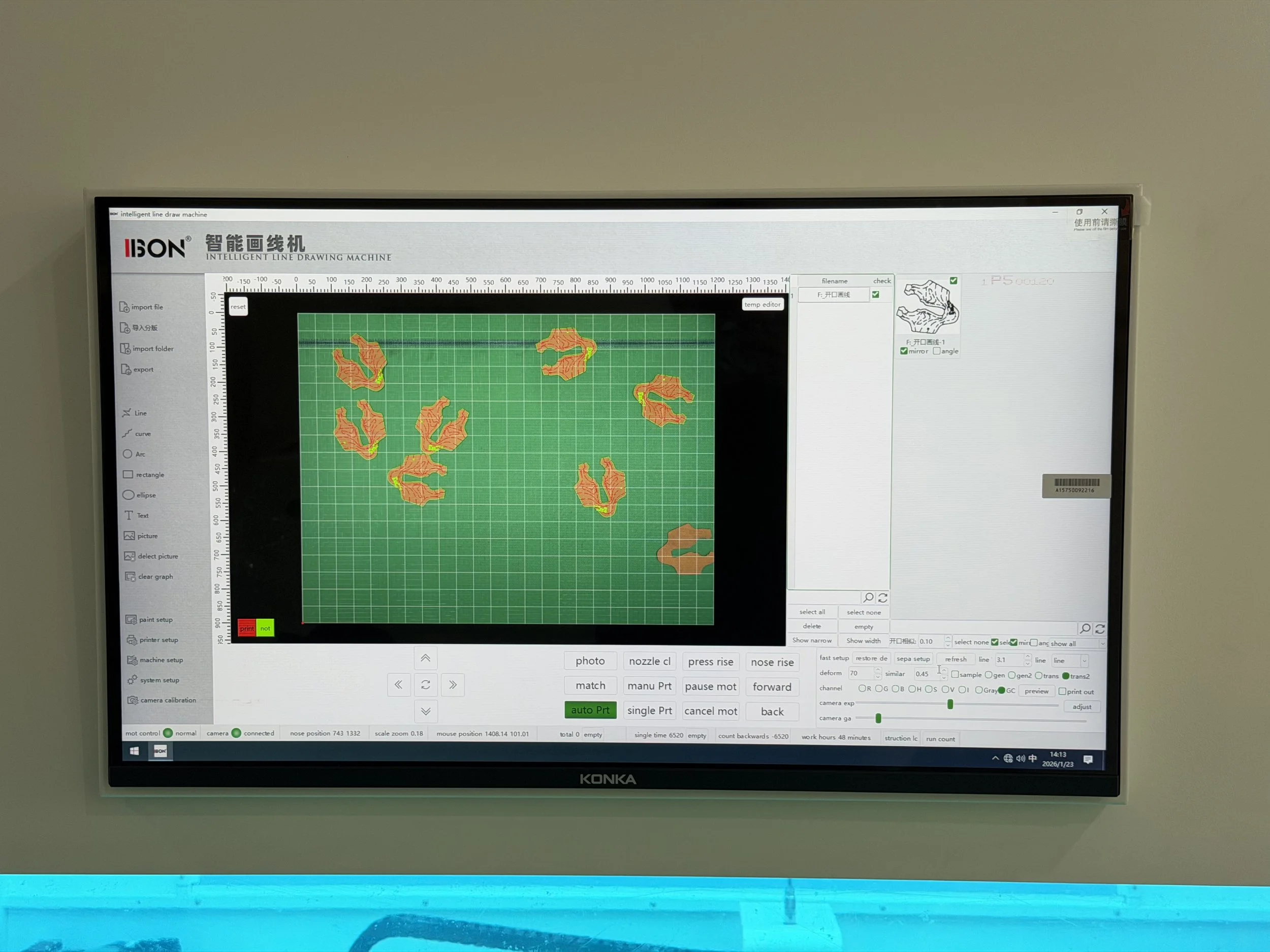
Intelligent Shoe Upper Marking Machine
System for marking guide lines on leathers automatically and no longer modularly through cardboard.
• Thanks to its innovative technology, it guarantees speed and high levels of accuracy on different materials and patterns.
• It works on multiple patterns simultaneously.
• Materials can be arbitrarily positioned and automatically identified by the machine.
• Increased productivity, thanks to the dual movement axis with 8 cartridges (4+4)
• The work performed by the machine is equivalent to more than 6 employees working at the same time.
• The machine can perform different types of lines.
Head-to-Head: What Actually Matters on Your Production Floor
| Factor | Dot-Spray Machine | IBON Inkjet Machine |
|----------------------------- -|--------------------------------------------------------------------------|---------------------------------------------------------- |
| Marking speed | Slower with more pieces or complex patterns | Up to 8,000 pieces/hour – consistent |
| Line quality | Discontinuous dots at high speed | Smooth, continuous lines |
| Precision | Acceptable for basic patterns | ±0.02 mm – ideal for sports shoes |
| Labor needed | 1–2 dedicated operators | Replaces 5–10 manual markers |
| Complex patterns | Becomes a bottleneck | No speed loss |
| Automation | Basic movement | VisionScan + auto positioning |
The Real Cost Difference (That Surprises Many Factory Owners)
Yes, a dot-spray machine often has a lower purchase price.
But here’s what experienced production managers calculate instead:
- Labor: IBON cuts marking labor by 80–90%
- Speed: Daily output is dramatically higher
- Flexibility: You can take complex, high-mix orders without slowing down
- Upgrade path: IBON fits into smart factory / Industry 4.0 plans
Over 12–24 months, the inkjet system is actually cheaper to operate—while delivering better quality.
One Honest Caveat
If your factory is very small—low daily volume, extremely simple patterns—you may not need any marking machine at all. Manual marking still works.
And dot-spray? It sits awkwardly in the middle: too slow for scale, too expensive for simple work.
That’s exactly why many medium and large Chinese footwear factories have already phased out dot-spray machines entirely.
Who Should Choose IBON Inkjet?
You are the right fit for IBON if you are:
- A sports shoe factory (where complex uppers are standard)
- An OEM/ODM manufacturer for global brands
- Running high-volume production (thousands of pairs daily)
- Planning an intelligent automation upgrade
- Tired of marking being your production bottleneck
Final Takeaway (For Factory Decision-Makers)
Ask yourself one question:
> Is marking a seamless part of my production line—or a waiting station?
If your marking step regularly creates delays, rework, or labor headaches, dot-spray technology won’t solve it. It’s the same slow principle, just automated.
IBON’s inkjet approach—**full-layout, simultaneous printing**—is a fundamentally faster method.
And in todays footwear market, speed + precision is what wins orders.
---
Want to see the speed difference on your actual upper patterns?
Contact IBON for a production-line simulation or a side-by-side test with your most complex shoe design.
IBON – Full-layout intelligent marking for modern footwear factories.
